



Mainstream 2011 :
Die CO2-Theorie ist nur geniale Propaganda
einfach mal *Welt* fragen, was sich geändert hat seit 2011. ![[smilie_happy]](https://goldseiten-forum.com/wcf/images/smilies/smilie_happy_058.gif "smilie_happy")
20. Oktober 2026, 11:35
Mainstream 2011 :
Die CO2-Theorie ist nur geniale Propaganda
einfach mal *Welt* fragen, was sich geändert hat seit 2011.

HK:2099 (Zijin) ...... + 179 % ----- Cu,Go Gigant
Da hat sich ein kleiner Fehler eingeschlichen: Zijin HK:2899
Danke, Dallas
Setzfehler, habs korrigiert.
Edel
Alles anzeigenMal wieder ein kurzer ’Erfahrungsbericht‘.
Ich habe im Garten zwei 1 000l IBC Container. Vor Jahren (mindestens 3 Jahre her…) beide mit Frischwasser gefüllt, Micropur zugegeben und uv-dichte Schutzhülle darüber…
Jetzt kam mir der Gedanke das Wasser mal abzulassen und zu erneuern. Aber vorher testen..
Und was soll ich sagen, optisch glasklar, Geruch einwandfrei, Geschmack dito…also mal Teststreifen besorgt. Im Vergleich ist das Ergebnis für alle Parameter identisch mit dem eingefüllten Hahnenwasser inkl. ph-Wert etc.
Labortest ist mir zu teuer. Aber ich bin zuversichtlich, dass das Wasser so langfristig lagerbar ist. Bei Bedarf dann eben noch durch einen Filter (z.B. Katadyn) jagen…
Wir haben vor 25 Jahren einen 5000 l Tank im Boden verbuddeln lassen.
Mit Kiesfilter . Das Wasser kommt glasklar über ein Hauswasserwerk .
Heute würde ich das doppelte an Tank im Garten einbuddeln!
Nutzen es zum giessen , Auto waschen und Hunde abduschen...

Längere Flugstrecken für den Klimaschutz?
Ähnlich wie CO₂-Abgaben: EU erwägt, Kondensstreifen zu besteuern
Will die EU nach dem CO₂ jetzt auch Wasserdampf besteuern? Geprüft wird ein neues System, mit dem Kondensstreifen am Himmel vermieden werden sollen. Airlines wie die Lufthansa testen bereits klimaoptimierte Flüge, um bestimmte Wetterzonen zu vermeiden. Sie fliegen dafür Umwege, inklusive höherem CO₂-Ausstoß.
In Kürze
Airlines müssen seit 2012 nach dem EU-Emissionshandelssystem (EU-ETS) für jede Tonne CO₂, die sie ausstoßen, ein Zertifikat kaufen. Seit 2018 gilt das auch für alle Starts und Landungen innerhalb der EU. Dies ist zum florierenden Klimageschäft geworden. Brüssel bekommt laut einem Bericht der „Welt“ jährlich 2,9 Milliarden Euro durch den CO₂-Zertifikatehandel von Airlines.
Die Luftfahrt zahlt zwar weniger als große Industrie- oder Energiesektoren, unter anderem weil sie zum Schutz ihrer Wettbewerbsfähigkeit teilweise kostenlose Zertifikate erhält. Wer am Ende zahlt, sind aber nicht die Fluggesellschaften. Die Kosten, die sie haben, werden in der Regel über die Ticketpreise an Passagiere weitergegeben.
Die Einnahmen aus dem Emissionshandel fließen überwiegend in den EU-Haushalt und werden von den Mitgliedstaaten zweckgebunden für Klimaschutzprogramme, die Förderung erneuerbarer Energien sowie für Projekte wie die Energiewende eingesetzt.
Nach dem CO₂ hat die EU jetzt einen neuen Übeltäter entdeckt: Kondensstreifen, auf Englisch „contrails“ genannt. Seit Anfang 2025 müssen europäische Fluglinien Flugdaten erfassen, anhand derer sich nachvollziehen lässt, inwieweit sich bei Flügen Contrails bilden.
Diese silbernen Streifen entstehen, wenn die heißen und feuchten Abgase von Flugzeugtriebwerken in kalter Höhenluft zu feinen Eiskristallen gefrieren. Enthalten sind dann auch Rußpartikel und andere Verbrennungsprodukte.
Nicht gemeint sind die sogenannten Chemtrails, also das Versprühen von Partikeln in die Atmosphäre, um Geoengineering zu betreiben. Die Existenz der umstrittenen Technik, die von vielen Medien als Verschwörungstheorie abgetan wird, hat die Schweizer Bundesrätin Simonetta Sommaruga in einem Interview 2019 bestätigt und kritisiert.
Kondensstreifen können tagsüber Sonnenlicht ins All zurückwerfen und so kühlend wirken. Sie verhindern aber auch, dass Wärmestrahlung von der Erde ins All entweicht.
Wie man sieht, denen fallen immer neue Steuerprojekte ein. 
Irgendwie muss ja alles finanziert werden 
Von + 4 % auf - 17 % in 1 Stunde ? Was ist da los ? Ich kann keine Nachricht finden. Und UEC taucht mit…
By
Charlie GarciaFollow
Last Updated: June 25, 2025 at 5:22 p.m. ET
First Published: June 24, 2025 at 7:50 a.m. ET
Referenced Symbols
On Monday, New York Governor Kathy Hochul, leader of a state where bureaucracy moves like paperwork through a glue factory, stunned everyone by announcing plans to build America’s first major nuclear-power plant in more than 15 years — 1 gigawatt of nuclear power, either in one big reactor or a herd of modular ones.
Rest ist Bezahlversion.
Alles eigentlich positiv 
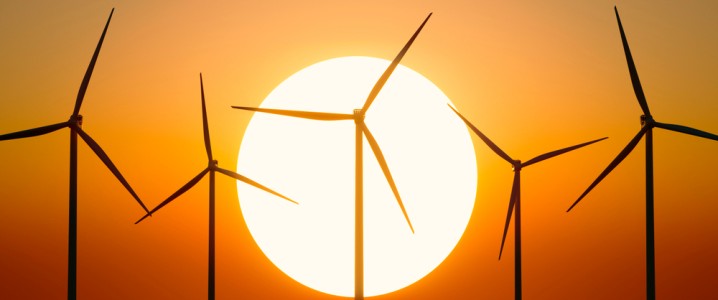
Scotland’s Wind Turbines Are Being Paid to Stand Still 37% of the Time
By Irina Slav - Aug 11, 2025, 2:00 AM CDT
Operators of wind turbines in Scotland were paid to switch their turbines off 37% of the time over the first half of the year, the Financial Times has reported, an amount equal to 4 TWh that were not produced due to lack of demand and infrastructure to bring the electricity to where there was demand.
The report noted that the amount curtailed from wind turbines in Scotland accounted for 86% of the total curtailment across Britain over the six months from January to June. It added that this represented a 15% increase on last year’s first-half curtailment.
Curtailment is the term used when grid operators ask wind and solar operators to turn off their installations to avoid overwhelming the grid since peak wind and solar generation periods do not usually coincide with periods of peak electricity demand. To avoid these companies going bankrupt, governments pay them to turn the turbines and the inverters off, which could—and does—cost billions.
In the financial year 2024/25, Britain’s National Energy System Operator had to pay a total of 2.7 billion pounds, or some $3.7 billion, in balancing costs. “Wind curtailment is currently a major driver of balancing costs,” NESO said in the report, adding that “This is because a large proportion of wind capacity in GB is connected in Scotland, which at present is a constrained region of the network.”
In the 2024/25 fiscal year, wind curtailment volumes increased to 13% of hypothetical wind outturn (wind outturn if no curtailment had taken place), NESO said earlier this year.
The problem is challenging because curtailment costs increase in tune with the growth in wind power generation capacity. To solve it, billions more would need to be spent on building new infrastructure to bring the electricity produced in the north to the consumption centers in the south.

Ein 2011er Challenger
Gruß
Golden Mask
Cool  hab ihn mir gerade angesehen!
Ein heißes Teil 
Alles anzeigenMB Diesel,Ölheizung und einen Dodge 5,7 l meiner US-Holden
" Never change a running system "
Gruß
Golden Mask
Der Dodge ein PickUp ???
 Alles anzeigen
Einige unsere Nachbarn haben die letzten Jahre ihre Ölheizungen auf Pellets umgestellt und sind sehr zufrieden. Somit dachte ich, dass die Technik funktioniert.
Von daher hätte mich schon interessiert, worauf die Aussage deines Heizungsbauers beruht.
Gruß
goldlattew
Das stimmt schon, aber die Pellets Heizung wäre wesentlich teurer geworden und hätte viel mehr Umbau Maßnahmen benötigt.
Also vollkommen überflüssig für uns.
Wir sind Beide in den 70 igern .
Die Neue hält jetzt bis wir uns die Radieschen von unten anschauen.
Und mehr Geld ausgeben ist vollkommen überflüssig!
Die Neue war innerhalb von einem Tag eingebaut
 Alles anzeigen
Schüttet bitte 2 Takt-Öl in euren Heizöltank, rein Mineralisches.
1:250 ca.
Schaut euch um, der Liter kostet so 3,fuffzich und dann is Staunen angesagt!
Aber was weiß ich scho?
WBT
und nee, keine weitere Diskussion
Keine Diskussion aber eine Erklärung dazu wäre nicht schlecht ?!
Neue Heizung ist übrigens Allesfresser was Öl angeht , mit entsprechenden Maßnahmen
Ich hätte noch eine Frage: wieso hast du nicht auf eine Pelletheizung umgestellt? Um wieviel höher wären die Investitionskosten gewesen?
Ab 2027 wird sich der CO2-Preis sehr wahrscheinlich massiv verteuern und Pellets sind davon nicht betroffen, was Pelletsheizungen noch wirtschaftlicher ggü. Ölheizungen macht.
Gruß
goldlatte
Hab die Pelletheizung mal kurz angefragt bei unserem Heizungsbauer.
Der hat nur den Kopf geschüttelt und gemeint, das willst du nicht wirklich.
Damit war das Thema vom Tisch.
Heizungsbauer wohnt gegenüber und wir sind befreundet.
Noch Fragen ?!
Umweltsau!
WBT
Dann wollen wir das mal untermauern
Habe gerade eine neue Ölheizung eingebaut bekommen, da die alte die Grätsche gemacht hat.
Mein Auto ist ein SUV Tourbodiesel Noch Fragen

Bei mir ist es im Winter immer mindestens 22 Grad im Wohnzimmer warm.
Und KALT duschen tue ich auch nicht, trotz Kretsch Mann ! !
Bei mir sind es 24 Grad im Winter.... kurzelig ärmelig das ganze Jahr über im Haus
Kachelofen machts möglich
 Externer Inhalt www.youtube.comInhalte von externen Seiten werden ohne Ihre Zustimmung nicht automatisch geladen und angezeigt.Durch die Aktivierung der externen Inhalte erklären Sie sich damit einverstanden, dass personenbezogene Daten an Drittplattformen übermittelt werden. Mehr Informationen dazu haben wir in unserer Datenschutzerklärung zur Verfügung gestellt.
Die ersten 3-4 Minuten sind interessant.
Ob der in Zukunft noch weiterhin das Wetter moderieren darf ?!
[…]
Bea gibt es also immer noch . Schon ewig nichts mehr von ihr gehört/gelesen.

Hunde habe ich nun leider nicht mehr
Fühle mit dir ... Man vermisst seine treuen Weggefährten..
Ich musste gestern auch meinen treuen Flat der 12 Jahre und 4 Monate alt wurde auf seine letzte Reise schicken.
Er wollte und konnte nicht mehr. Aber ohne Hund könnte ich nicht sein.
Wir hatten vor einem Jahr eine 5 Jährige Flathündin noch dazu geholt .
 Alles anzeigen
Ein Video auf das ich schon lange gewartet habe.
Endlich mal eine kurze Zusammenfassung von Fakten, vorgetragen von Prof. Homburg, welche man seinen Freunden mal zeigen kann.
Homburg hatte sich ja bereits während der Coronazeit mit seinen sachlichen Analysen und Statements von dem Mainstream abgewandt..
Ich hoffe mal, dass das Video auf YouTube nicht plötzlich verschwindet...
Externer Inhalt youtu.beInhalte von externen Seiten werden ohne Ihre Zustimmung nicht automatisch geladen und angezeigt.Durch die Aktivierung der externen Inhalte erklären Sie sich damit einverstanden, dass personenbezogene Daten an Drittplattformen übermittelt werden. Mehr Informationen dazu haben wir in unserer Datenschutzerklärung zur Verfügung gestellt.
lg meggy
 Alles anzeigen
150 Konzerne fordern drastische Minderung von Treibhausgas von der EU
Brüssel · Wie kann die EU gleichzeitig ihre Wettbewerbsfähigkeit erhöhen, die Energiezufuhr sichern und sich gegen Schocks abpolstern? Mit 90 Prozent weniger Treibhausgasausstoß bis 2040. Das fordern nicht Klimakleber, sondern Konzerne.
Rund 150 europäische Unternehmen und Investoren fordern, die Treibhausgasemissionen in der EU bis 2040 um mindestens 90 Prozent zu reduzieren. „Ein robustes Klimaziel und die Dekarbonisierung unserer Volkswirtschaften werden die Widerstandsfähigkeit der EU gegenüber Schocks, die Energiesicherheit und die Wettbewerbsfähigkeit verbessern“, schreiben sie in einem offenen Brief, adressiert an die Europäische Kommission, die Abgeordneten des Europaparlaments sowie an die Staats- und Regierungschefs der EU.
„Emissionsminderung soll absolute Priorität eingeräumt werden“
Die Reduktion von 90 Prozent sollte dabei als Untergrenze und nicht als Obergrenze für den Ehrgeiz betrachtet werden, fordern die Unterzeichner weiter. „Der Emissionsminderung sollte absolute Priorität eingeräumt werden, wobei Maßnahmen zur verstärkten Dekarbonisierung aller Wirtschaftssektoren, zur Beschleunigung des Übergangs zu sauberer Energie und zur Steigerung der Energieeffizienz zu ergreifen sind.“ Zu den Unterzeichnern zählen unter anderem SAP, die Otto-Gruppe und die Allianz.
Quelle:
Mich würde mal interessieren, wer die 150 Konzerne sind.
Die 3 genannten bewegen sich ja nicht gerade in Energiefressenden Sparten !
Ja...ich weiss...Link lesen. Ich lese aber nicht mit vollgeballerter Werbung!


![[smilie_blume]](https://goldseiten-forum.com/wcf/images/smilies/smilie_blume1.gif "smilie_blume")
