


Ich nutze das bei mir im Betrieb schon seit Jahren
ja ist top... alternativ für spezielle anwendungsbereiche kann ich noch uneingeschränkt rhel empfehlen.
Soll Broadcom/VMware hingehen, wo der Pfeffer wächst.

28. Mai 2026, 15:38
Ich nutze das bei mir im Betrieb schon seit Jahren
ja ist top... alternativ für spezielle anwendungsbereiche kann ich noch uneingeschränkt rhel empfehlen.
Soll Broadcom/VMware hingehen, wo der Pfeffer wächst.
Läuft
meiner meinung nicht schnell genug... ist so wie mit dem fröschen und dem heißen wasser.
schocktherapie ist was benötigt würde.

hat noch jemand paar Tipps zur Sicherheit?
- internet gateway über vpn, routerbasiert
- opnsense https://opnsense.org/ / pfsense
- pi hole
- dns server umstellen auf zb. https://www.quad9.net/
- browserplugins wie zb.
noscript/canvas blocker!/ublock/ghostery
- für bestimmte tasks, clientseitiger vpn
- onion browser
keine verwendung von google/web.de/apple/hotmail etc. email adressen.
eigene mailserver(entsprechend abgesichert) oder protonmail.
keine cloud-dienste, als minimum keine von den großen datenkraken.
meine private cloud läuft derzeit auf unraid. meine firmenclouds auf rhel/promox.
und als hinweis, abgesichert und gewartet muss das auch bei privatgebrauch sein.
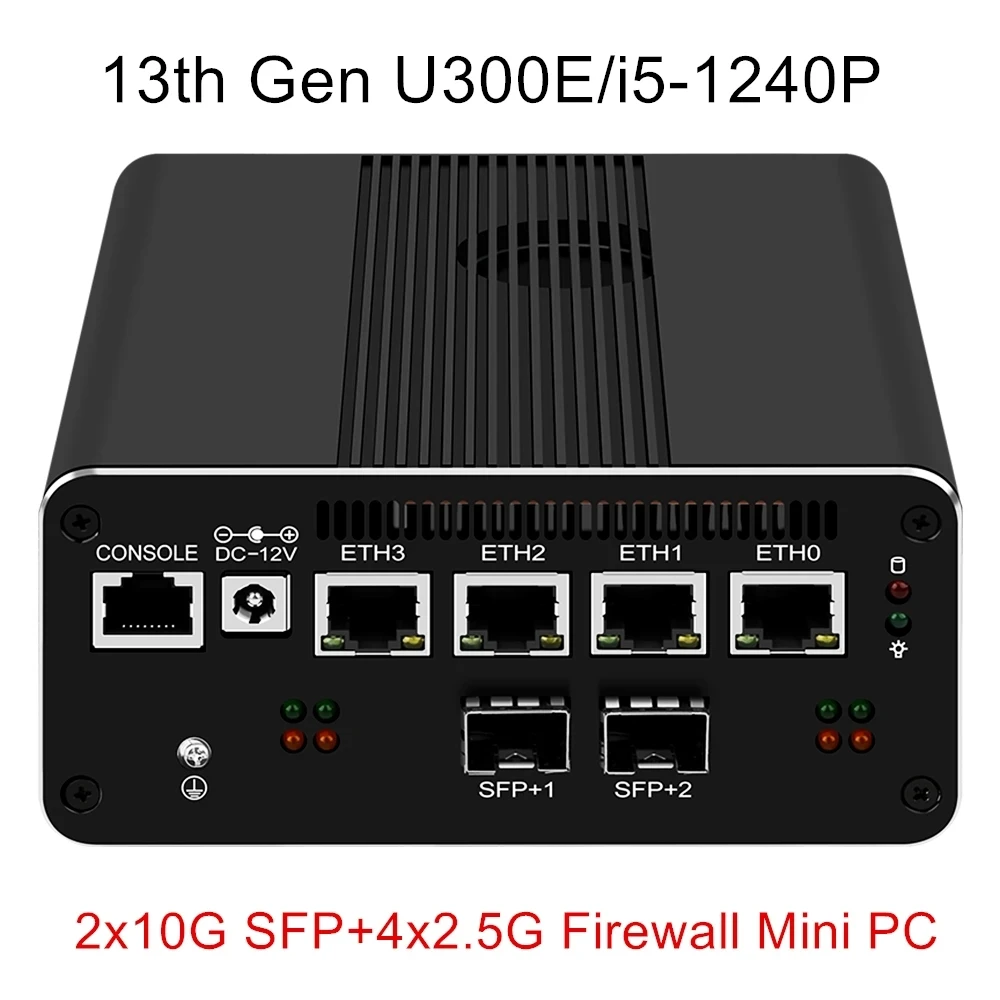
ein kleiner passiver topton server sollte privat auch mit pfsense/opnsene gut zurechtkommen.
den(i5-1240p 8x2,5G) hab ich grad zum "basteln" bestellt. wenns was wird kommt der in die hütte,
da langen 2,5 gbit(312,5 mb/s) auch überall hin.
orano mit 1mlb miss in der produktion

Ich hoffe, Du bist jetzt zu Hause.
leider nein, aber nach dem post bin ich raus...
wochenende ![[smilie_happy]](https://goldseiten-forum.com/wcf/images/smilies/smilie_happy_058.gif "smilie_happy")
Du schreibst: iso - ca 2,08/lb - Was soll das bedeuten?
sorry- ev/lb, enterprise value etwas anders als mc/lb
nur auf die schnelle, hoffe es wird gut erklärt, heute keine lust mehr es "überprüfend" anzusehen.
Ich hatte Isoenergy und die Hälfte von Hanetf vor der aktuellen Korrektur verkauft und möchte nach einer ca. 10igen Korrektur bei Yellow Cake, UEC und Isoenergy die Chance nutzen ein oder zwei der Genannten wieder in mein Depot zu holen, wenn sich eine gute Chance bietet.
was ich dir in etwa sagen kann sind die bewertungen auf lb basis die ich mir für weitere käufe gerade raussuche/berechne.
fehler vorbehalten und war nur für mich gedacht 
dyl - ca 1,70/lb
gxu - ca 0,70/lb
glo - ca 2,07/lb
fsy - ca 1,10/lb
iso - ca 2,08/lb
lotus, uec, nxe, bnm, aee, fcu, dml wollte ich noch heute abend in ein neues sheet packen, aber ka wann ich aus dem büro rauskomme.
zu yellowcake:
20.16m lb Current holding of U3O8
US$102.75/lb U3O8
Daily Change $-0.78, -0.76%
Implied Yellow Cake Uranium Price* US$85.94/lb U3O8
* Implied Yellow Cake Uranium Price is the uranium price implied by the YCA share price and is calculated as the live Numerco Spot U3O8 Price (in US$/lb) x (1 - Premium/Discount) where: Premium/Discount = (live YCA share price (in GBP per share) x shares in issue excluding treasury shares x GBP/USD rate)/(holdings or proforma holdings (in lb U3O8) x live Numerco Spot U3O8 Price (in US$/lb) + cash and net current assets or proforma cash and net current assets (in US$)).
Was hältst Du davon für Yellow Cake einen eigenen Thread aufzumachen?
Ebenso für die Werte aus Kanada - CCO, UEC, DML, ISO, NXE usw. - um die Übersichtlichkeit des Themas zu erhöhen?
das könnt ihr gerne machen, ich finde das sehr zeitaufwendig zum raussuchen...
uec kap hat bereits einen thread.
Ukraine: Gerd Schultze-Rhonhof meldet sich zu erneut Wort. Briefe vom 24.12.2023 und
2.2.2024 an die deutsche Politik und Öffentlichkeit.
Gerd Schultze-Rhonhof
Generalmajor a. D.
2.2.2024
Meine Damen und Herren!
Ich habe nicht 37 Jahre als Soldat gedient, um Deutschland den Frieden zu bewahren, und um jetzt
kommentar- und tatenlos zuzusehen, wie Deutschland langsam, aber wahrscheinlich auf eine aktive
Teilnahme an einem fremden und sinnlosen Krieg zugesteuert wird. Unsere „Heiligen Drei Könige“,
Herr Bundeskanzler Scholz, Herr Minister Lindner und Herr Minister Dr. Habeck haben in ihren
jungen Jahren zunächst alle den Wehrdienst für Deutschlands Recht und Freiheit und die Bewahrung
unserer Demokratie verweigert. Sie geben nun weit mehr als 10 Milliarden Euro Steuergelder pro
Jahr für das „Recht“, die „Freiheit“, die „Demokratie“ und die Westlichen Werte in einem fremden
Staat aus, der weder eine Demokratie ist noch Westliche Werte vertritt. Sie verlängern mit unseren
Steuergeldern und dem Blut fremder Wehrpflichtiger einen inzwischen sinnlos gewordenen Krieg.
Die Ukraine ist mitnichten eine Demokratie und ihre Werte sind nicht die unseren. In der Ukraine
sind 11 Oppositionsparteien verboten. Selenskyj hat die terminlich für März 2024 anstehenden
Präsidentschaftswahlen untersagt ( in Russland finden solche statt ). In der Ukraine sind alle Medien
gleichgeschaltet. Aus der Ukraine heraus sind keine ukraine-kritischen Berichte deutscher
Journalisten zugelassen ( aus Moskau heraus sind russlandkritische Kommentare deutscher
Journalisten durchaus üblich). In der Ukraine sind politische Morde an der Tagesordnung (lt. der 3-
Wochen-Protokolle der Bundeszentrale für Politische Bildung bis Kriegsbeginn). Die Ukraine und
Russland sind gemeinsam die zwei korruptesten Staaten Europas (lt. Transparency International). Der
Freikauf vom Wehrdienst ist in der Ukraine genauso üblich wie in Russland. Die Ukraine steht mit
ihrem Sündenregister von Brüchen von Staatsverträgen und von Verletzungen von UN Konventionen
und internationalen Chartas dem russischen Register in Häufigkeit und Schwere in nichts nach. Die
Art und Häufigkeit von ukrainischen Kriegsverbrechen sind denen von russischer Seite gleich,
lediglich der Missbrauch kriegsvölkerrechtlich geschützter humanitärer Einrichtungen als
Schutzschilde für kämpfende Truppen kommt allein auf ukrainischer Seite vor (lt. Bericht des OSZE
vom 29.6. 2022).
Diese Ukraine ist weder eine Demokratie noch steht sie für unsere Werte, wie uns die deutschen
Medien und die Mehrheit unserer Parteien vortäuschen. Die uns von offizieller Seite präsentierte
Interpretation, dass die Ukraine unsere Werte mitverteidigen würde, ist so töricht wie Strucks
„Deutschland-Verteidigung am Hindukusch“ es war. Ich erwarte von den ehemaligen
Wehrdienstverweigerern im Bundestag und in der Bundesregierung, dass sie sich – treu ihrer
früheren Friedensgesinnung – aktiv für ein schnellstmögliches Ende des Krieges in der Ukraine
einsetzen und sich von ihren unrealistischen Phantom-Vorstellungen eines Ukraine-Sieges lösen. Von
allen anderen Regierenden und Parlamentariern erwarte ich das Gleiche. Die Vorstellung einer
möglichen Wiedervereinigung von zwei zerstrittenen und sich inzwischen hassenden Teilen eines
Staatsvolks, die bereits vor dem russischen Einmarsch 8 Jahre Krieg gegeneinander geführt haben, zu
einer zukünftigen Ukraine alten Umfangs ist der Traumtanz von Narren. Zum Eifer der Mehrheit der
2
deutschen Parteien, den Ukrainern mit Geld und Waffenlieferungen doch noch zu einem Sieg zu
verhelfen, fällt mir ein Ausspruch des russischen Generalleutnants Alexander Lebed ein, der im
ersten Tschetschenienkrieg gesagt hat: „Lassen Sie mich eine Kompanie aus den Söhnen der Elite
rekrutieren und der Krieg wird am nächsten Tag vorbei sein“. (Lebed war 1996 erfolgloser
Präsidentschaftskandidat in Russland.)
Die zweite Frage, um die es hier geht, ist, ob die Russische Föderation seit ihrem Rückzug aus
Mitteleuropa den Westen oder auch nur ein NATO-Land oder ein anderes Nachbarland nach Ende
des sowjetischen Zerfallsprozesses tatsächlich bedroht hat. Dieser Frage werde ich ausführlich in der
Begründung zum jetzt nachfolgenden Brief an die Damen und Herren Politiker beantworten. Diese
Begründung folgt als Anlage 1 zu dieser Mail.
Seit dem 15. August 2022 habe ich versucht, hunderte von Abgeordneten über die Vorgeschichte des
russischen Einmarschs und die Vorgänge innerhalb der Ukraine aufzuklären. Dann habe ich beim
Herrn Bundeskanzler und ehemaligen Kanzlern und Spitzenpolitikern mit noch offenen
Gesprächskanälen zu Moskau eine deutsche Initiative zu einem raschen Kriegsende vorgeschlagen.
Meinen letzten Versuch habe ich Weihnachten 2023 mit dem nun nachfolgenden Brief an Mitglieder
der Bundesregierung, die Fraktionsführer aller Parteien im Bundestag, an alle Parteichefs und
Generalsekretäre und an alle Ministerpräsidentinnen und Ministerpräsidenten der Länder geschickt.
Mit Zustimmung und überhaupt geantwortet haben nur zwei Parteichefs auf den Seitenrängen des
Plenarsaals, aber mit der Mitteilung, sie könnten nichts ausrichten. Soeben erhalte ich die höfliche,
aber ablehnende Antwort des Vorsitzenden der größten Oppositionspartei, dessen Verschweigen und
Übergehen der langen Vorgeschichte des Krieges ich nicht akzeptieren und dessen Unterstellungen
gegenüber Putin ich weitgehend nicht bestätigen kann. Angeblich bewiesene, aber unberechtigte
Unterstellungen gehörten übrigens auch zuhauf zum Zündstoff der zwei Weltkriege. Trotz aller
Höflichkeit macht die Antwort den Eindruck, dass ihr Autor die Begründung meines Vorschlags
(Anlage 1) überhaupt nicht gelesen hat.
Ein Teil des deutschen Volks ist es inzwischen Leid, nicht über die Hintergründe des Ukraine-Kriegs
informiert zu werden und jährlich bei knappen eigenen Haushaltskassen 10 bis 15 Milliarden Euro in
einen sinnlosen, fremden Krieg und das weitere Sterben von Zigtausenden von Ukrainern und Russen
zu investieren. Wenn die deutsche Regierung unter Missachtung deutscher Interessen riskiert, dass
der Ukraine-Krieg - wie ursprünglich auch von Bundeskanzler Scholz befürchtet – zu einem
Flächenbrand ausufert und auch Deutschland einbezieht, muss das Volk selbst die Regierung an ihre
erste Pflicht erinnern. Bisher ist die überwiegende Mehrheit der deutschen Politiker in erster Linie an
einem Sieg der Ukrainer und einer Niederlage der Russen interessiert und erst nachrangig an einem
Frieden. Bitte lesen Sie meinen Weihnachtsbrief an die „Politik“ und reichen Sie meine Gedanken an
andere Interessierte weiter. Und versuchen Sie, ihre Abgeordneten von der aufgezeigten Möglichkeit
eines baldigen Kriegsendes zu überzeugen.
Ihr Gerd Schultze-Rhonhof
vollständig :
https://www.swg-mobil.de/wp-content/uploads/2024/02/Briefe-Schultze_Rhonhof-Dez-23-und-Febr-24.pdf

Unsere Putin-Fanboys hier werden sicher ganz schnell einen Grund finden, warum der kleine Mann aus St.Petersburg absolut gar nichts damit zu tun hat
alleine deine ausdrucksweise ist völlig fehl am platz. selbst zu denken hat nichts damit zu tun irgendein fanboy zu sein. als ob du wüsstest was tatsächlich vorgefallen ist.

Ist nur eine Frage der Zeit bis die Muellberge im Meer weggefischt werden denke ich.
ein riesen problem, auch für unseren nahrungsmittelkreislauf ist allerdings das entstehende microplastik! da tun sie rum mit co2 - schaffen aber keinen wirklichen umweltschutz und wir haben "plastik-kontinente" in den meeren.
das stand alles und teilweise sehr viel detaillierter bereits hier in den fäden, was für mich die frage beantwortet ob du diese überhaupt gelesen hast.
- wie in meinem letzten post geschrieben, die welt forscht nicht nur an gen-4 reaktoren sondern der erste ist in china in betrieb.
- jeder reaktor wie der epr ist ein brüter, entscheidend ist der brutfaktor über oder unter 1 ?
epr ca 0,7
steht alles hier in den fäden, ich möchte dich bitten dir doch mal zeit zu nehmen und diese richtig zu lesen. kann eigentlich nur von vorteil für dich sein wenn dich das thema wirklich interresiert und wir drehen uns nicht jedes mal wieder im kreis mit der diskussion.

Die russische Armee ist den Ukrainern zahlenmäßig immer noch unterlegen dennoch ist die Verlustrate 1:7
die letzten wochen angeblich 1:20 (mcgregor/scott ritter) - keine gewähr

Dann sollten sie verdammt noch einmal jetzt kurzen Prozess machen, denn das würde die meisten Leben retten (oder schonen).
evtl kurzfristiger? vllt ist ein langes ausbluten der natobestände( wie viel munition hat deutschland gleich wieder aktuell...) zeitgleich hohe kapitalbelastungen in den nato ländern, besonders der eu.
warum nicht den schaden im westen maximieren wo es geht. der ganz große krieg läuft ja um die multipolarität vs den hegemon im finanzsystem(&china/taiwan/usa). dies sind ja keinesfalls getrennte ereignisse sondern als ein großer übergeordeter konflikt zu werten.
ein rätselraten halte ich daher nicht für sinnvoll, da wir die komplette strategie und auch die internen absprachen in den brics/sco, nicht nur im ukraine krieg, sondern auch des globalen süden versus die goldene milliarde nur mutmaßen können.
das endziel ist bekannt, ablösung des hegemon, einer rule based order hin zu einer law based multipolarität.

Ich verstehe es nicht.
immer dran denken, das du nicht über die informationen und zielsetzung des russisches führungsstabes bescheid weißt. mitunter der kampf um bachmut hat die afu wohl personell so ausgedünnt das bei weitem nicht genug "material" für die "offensive" vorhanden war.
klar, zb.:
lynx, degiro, comdirekt, sparkassen broker  , consors, interactive brokers, freedom24
das sind alles themen die hier bereits diskutiert wurden. hast du die uranfäden überhaupt gelesen?
irgendwie empfinde ich das schon als bringschuld anstatt von anderen erwarten ihre zeit erneut zu opfern!
Das sind die Atomreaktoren, die nach der Fertigstellung in ca. 15 Jahre in Betrieb genommen werden, wenn dann der Bau fertig werden sollte
eine sehr lange Zeit die auch mal länger dauern kann.
Der Reaktor Neubau z.B. im französischen Flamanville begann 2007 und soll 2024 in Betrieb gehen
vergleiche bauzeiten, wurde alles hier besprochen. nur weil zb. block3 in olkiluoto als epr! 17 jahre bauzeit hatte, heißt das noch lange nicht das
bauzeiten chinesischer, russischer, indischer und smr´s genauso lang sind,
der durchschnitt in china liegt derzeit bei 6 jahren
Die Kosten für den Bau eines Atomkraftwerkes kostet ca. 25 Milliarden +/-
Das ist eine extreme Summe - wer trägt diese Kosten ?
ebenso alles hier in den fäden, ist das absicht von dir ?!
welcher typ akw kostet dies im bau & für welches land?
china:
Companies that are planning new nuclear units are currently indicating that the total costs (including escalation and financing costs) will be in the range of $5,500/kW to $8,100/kW or between $6 billion and $9 billion for each 1,100 MW plant.
china führt serielles bauen bei bestimmten typen ein, dagegen ist bei den franzosen jede baustelle eine teure individuelle angelegenheit.
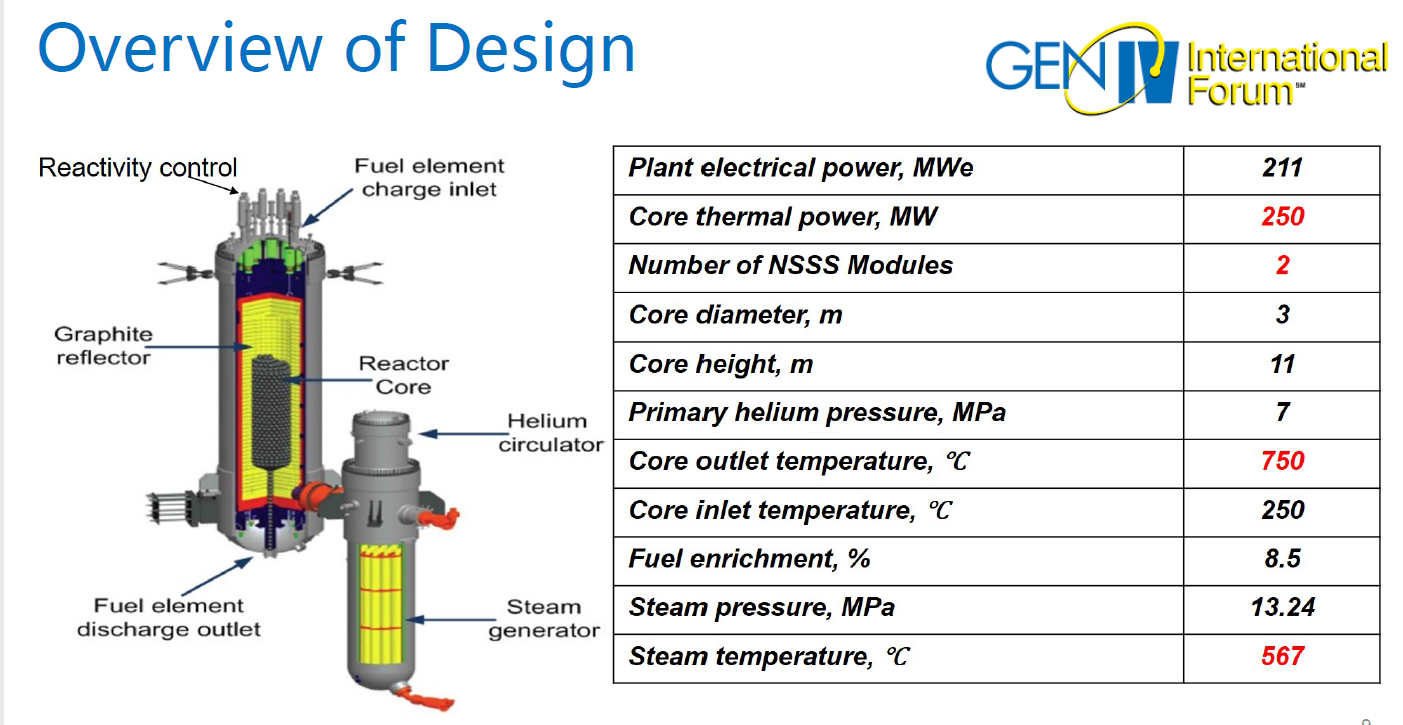
so zb beim weltweist ersten gen-4 reaktor - shidao bay htg(c)r/htr-pm.
Wie ist die Klärung bezüglich des radioaktiven Abfalls und deren Kosten in den jeweiligen Ländern ?
Die Frage stellt sich hauptsächlich bei den Neubauten
hast du überhaupt hier in den fäden gelesen?
es gibt keinen radioaktiven abfall - das ist alles brennstoff - und zwar für diverse gen-4 reaktortypen
sowie einen geschlossenen brennstoffkreislauf, über welchen russland als erste nation auf der welt verfügt.
Probleme mit Kühlung bei Wassermangel (Niedrigwasser)
- baustandort, reaktortyp! nicht jeder braucht wasser zur kühlung, siehe meine beiträge zur entwicklung in china.
geschultes Personal
wohl nur ein problem hierzulande. kein problem in china, russland, saudi arabien, vae, indien etc.
hat halt was mit singen und klatschen anstatt mint/stem fächern zu tun.
wie war das... hatte ich neulich gepostet, über 1mio stem absolventen in china jährlich.
der letzte bei uns macht dann bitte das licht aus 
"Innerhalb der OECD und G20-Staaten würden im Jahr 2030 aus China 37 Prozent der Hochschul-Absolventen in MINT-Fächern und aus Indien 26,7 Prozent stammen."

Aha, da läuft also der Hase.
könnte noch viel explosiver werden, die frage ist wann wollen sie mit dem bau des dritten tempels beginnen?
The Temple Institute of Jerusalem - Learn About the Temple Institute The Temple Institute is dedicated to the Holy Temple of Jerusalem - Read about the Holy Temple and how The Temple Insitite is playing a role. templeinstitute.orgFrom Texas to Israel: Red heifers needed for Temple arrive
SLC industriespeicher von zb. swissbit/atp
btw, auf solchen sticks lasse ich seit jahren einige micro server zur anlagensteuerung laufen ![[smilie_love]](https://goldseiten-forum.com/wcf/images/smilies/smilie_love_004.gif "smilie_love")

"kaputte"
die wafer sind nicht defekt, eignen sich nur nicht für die höchste perfomance kategorie und sind die natürliche folge des fertigungsprozesses.
Ich empfehle einzig nur Sandisk
na das stimmt so nicht, kommt ja auch auf den speicher typ/einsatzbereich an. samsung hat im allgemeinen sehr guten nand flash, gerade im consumer bereich aufgrund der seit jahren selbst entwickelten controller auch einen vorteil! auch sollte man den passenden speichertyp auswählen slc/tlc/mlc/qlc
wer den ultimativen speicherstick möchte, wie ich oben anmerkte: SLC industriespeicher von zb. swissbit/atp ...

dann sind theoretisch mehr Zinssenkungen möglich.
ok führe deinen gedankengang doch bitte einmal aus...
wie wollen sie denn alleine die zinsen bezahlen bei stark steigenden zinssätzen?
die haushaltslücke(neuverschuldung) ist ja jetzt schon bei ca 1,4 billionen usd, tendenz steigend!
ohne qe kommen die doch aus der nummer nicht mehr raus, brics währung hin oder her.
die zeiten wo eine de-dollarisierung durch ein equilierum(zinsbildung durch freie märkte) am markt hätte verhindert werden können, sind längst vorbei... auch durch das einsetzen des usd als waffe/sanktionen.
die fed und der staaten stecken in einem taufelskreis fest - für mich ist der ausgang klar zu sehen(egal durch welche politik), nur die zeitachse ist nicht seriös prognostizierbar.
ist milde gesagt einfach sehr ungünstig für die datenintegrität.
so einen mist am besten nicht kaufen und zumindest die 20-50€ für nen besseren samsung/sandisk speicher hinlegen. frage mich warum ihr so einen schrott überhaupt kauft?
Wenn die BRICS Währung kommt, muss die FED sogar die Zinsen nochmal DEUTLICH anheben.
nicht zwingend. es wird dieses jahr ohnehin ein volumen von ca 10,x billionen(englisch trillion) zur re-finanzierung/rolling over(ca 9 trillion) und über 1,4 trillion an neuen schulden finanziert werden müssen.
meinst du allen ernstes, das sie in einem wahlkampfjahr der ökonomie einen crashkurs geben und zinserhöhungen zulassen - oder nur den anstieg kontrollieren.
irgendeine art der zinskontrolle wie qe-infinity wird es meiner meinung nach schon geben da inflation/teuerung der deutlich angenehmere weg für die entscheidungsträger darstellt...


