

Beiträge von Salo III
-
-

Ich so, wenn ich in Rente …
Zeitfressender Schwachsinn, kann in jedem Supermarkt beobachtet werden…
-

ein Land, das sich nicht schämt
Es ist kein „Land“. Es ist ein übermächtiger Parasitenbefall auf dem Wirtskörper. Diese Parasiten 🦠 können NICHTS wertschöpfendes, deswegen werden sie ihr Dasein furienhaft verteidigen. Weiterhin decken diese Parasiten ihre indirekten Meister, indem sie schlussendlich für diese kämpfen. Denn ihre Meister sind noch größere Parasiten ….
-
Es sind ja zu 90% nur 2 benannte User, die alles zuspammen.
Schade finde ich, wenn dann in manchen Threads so gewütet wird, dass es so aussieht…. Das ist ein Original Zustand, da haben sich die Memes nur noch gejagt…
-
Was erwartest Du von Parasiten 🦠 die nirgendwo anders mehr überleben könnten?
-
Ein mailing an ausgewählte Kunden. Wer will, bitte PN
Guten Tag liebe Herren,
ich würde euch gerne darauf hinweisen, dass wir 20 Fr. Vrenelis zu Spotpreis ohne Aufschlag anbieten.
Geben Sie mir bitte Bescheid, wenn Sie Interesse hätten. Angebot ist auf 50 Stück pro Kunde limitiert und Sie würden mir eine grosse Freude bereiten, wenn ich Sie auf unsere Newsletter Liste setzen könnte.
Ich freue mich auf Ihre Rückmeldung.
-
Wie kann man eigentlich so bescheuert sein die Regelknöpfe hinter den Brennstellen anzubringen.
![[smilie_happy]](https://goldseiten-forum.com/wcf/images/smilies/smilie_happy_058.gif "smilie_happy")
Eines der hier im Forum in unendlichen Mengen angespülten KI sinnlos Memes(ich fresse Serverperformance, ich fresse Aufmerksamkeit, ich fresse eure Zeit. Eure Bildschirmfläche habe ich auch gefressen, weil oft 3-5 von meinesgleichen nacheinander gepostet werden und durch Edel Man Lupe rutschen…..
-
Klingt nach Ayurveda …..
-
Dragan & Alder - einfach herrlich !
![[smilie_blume]](https://goldseiten-forum.com/wcf/images/smilies/smilie_blume1.gif "smilie_blume")
-
Da hat wohl der Konkurrent seine Musk les spielen lassen….
-
Ja, das ist ein Argument. Dann muss ich halt nach 3 Maß in den Pluralix Forensis Aurum wechseln 😀
-

Für die Planung von allerlei Dingen sind hier einmal alle Tools von OpenStreetMap aufgelistet:
DE:OpenStreetMap benutzen – OpenStreetMap Wiki
DE:List of OSM-based services – OpenStreetMap Wiki
Hier ein gutes Tool zum planen von Wanderungen, Fahrradtouren
 Entdecken mit komoot | Routen und Must-sees in deiner UmgebungEntdeck das Beste, was die Natur zu bieten hat – in deiner Umgebung und weltweit: MTB-Trails, Wanderungen, Rennradstrecken und die großartigsten Must-see-Spots.www.komoot.com
 -
Mach ich, klar doch.

-
Einmal einen Vorschlag für unser denkwürdiges Treffen .....
Da ich bei zu vielen Gesichtern leicht den Überblick verliere, wer nun wie heisst, habe ich einen Vorschlag.
Ich habe noch Namensschilder blanko, die man bedrucken und aufkleben kann. Siehe Bild:
Lassen sich rückstandsfrei entfernen. Wer will, sendet mir einfach eine PN mit dem Namen, den ich da draufdrucken soll. So ist die Zuordnung Gesicht-Forenname-Vorname dramatisch vereinfacht, spätestens nach dem 4. Bier .....

-
Gestern im Oman….
-
wenn man den Charakter eines Mannes auf die Probe stellen will, muss man ihm Macht geben.
Bei Frauen funktioniert das exponentiell….
-
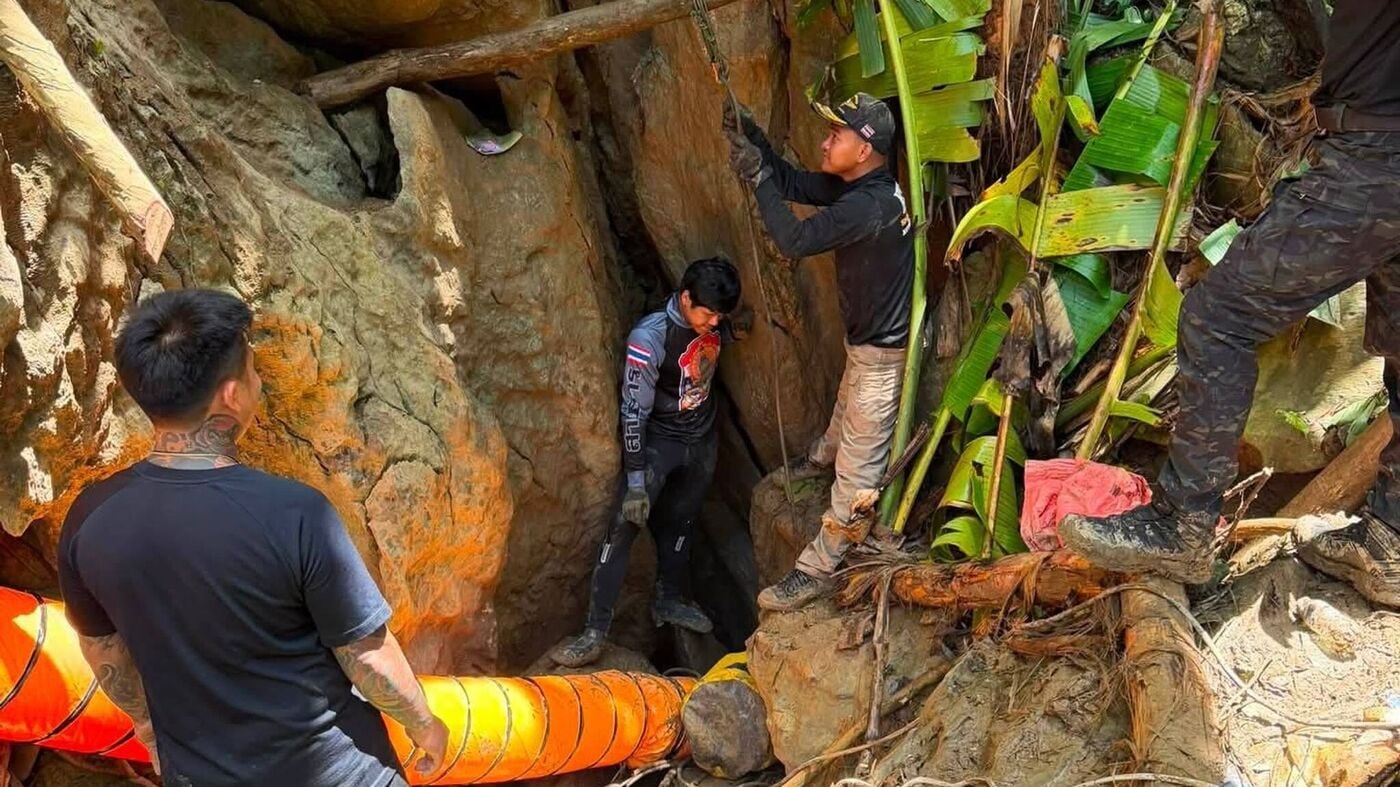
Sie suchten nach Gold – jetzt kämpfen Rettungskräfte um ihr Leben: Sieben Dorfbewohner sitzen seit Tagen in einer überfluteten Höhle im Norden von Laos fest. Spezialteams aus dem Nachbarland Thailand unterstützen inzwischen die schwierige Rettungsmission, die von Wassermassen, engen Gängen und Sauerstoffmangel herausgefordert wird.
Insgesamt waren nach Behördenangaben zehn Männer bereits am 19. Mai in eine Höhle im Bezirk Longchaeng in der Provinz Xaisomboun vorgedrungen, um dort nach Gold zu graben. Die Region ist von schroffen Bergen, steilen Tälern und dichtem Dschungel geprägt und liegt etwa 130 Kilometer nordöstlich der Hauptstadt Vientiane.
Während drei Arbeiter entkommen konnten, wurden sieben weitere eingeschlossen, nachdem heftige Regenfälle die Ein- und Ausgänge der Höhle geflutet hatten, wie örtliche Medien berichteten. Teile der Höhle sollen während eines Unwetters zudem eingestürzt sein.
 Höhlendrama in Laos: Sieben Goldsucher sitzen seit Tagen festErinnerungen an das Höhlendrama in Thailand 2018 werden wach: Seit Tagen sitzen sieben Menschen in Laos in einer Höhle fest. Internationale Experten kämpfen…www.tagesspiegel.de
 -

Die Sorte FourX (XXXX) war damals nicht schlecht. Weiß aber nicht, ob es die heute noch gibt. Davon gab es sogar ein Stout, ähnlich dem Guinness. Und das haute auch gut rein und so manchen Aussie weg.😁
Das gute FourX hatte den grossen Zuspruch, weil man sich jede Frau schönsaufen konnte.
Erstes Maß
Nach 5 Maß
Bitte keine Schnappatmer und Berufsempörten....
-
Wir haben vor einem Jahr Waschmaschine und Trockner das Premium Modell von MIELE gekauft. Schleuderdrehzahl war runtergesetzt, dann hätte man das Modell mit den Miele-Waschmitteln nehmen müssen. Keine Anzeige Restlaufzeit, nervender Dauerton bei Waschende, läuft ewig, wenn man nicht hinrennt.
Habe nun von LuckyGoldstar eine weitere gute Waschmaschine gekauft.
Was soll ich sagen, die Miele wird nur noch für Fussmatten, Katzendecken etc. benutzt…
-
Schade um die Zeit, sich mit DER Ki abzugeben