Bin gestern bei 32 Euro wieder in EQNR eingestiegen. Ob zu früh oä, wird die Zeit zeigen. Sollte ein längerfristiges investment sein. ![:]](https://goldseiten-forum.com/wcf/images/smilies/pleased.gif "Freude")

Öl & Gasaktien
-
-
-
Ich befürchte dass die europäischen Förderer bald mit einer "Übergewinnsteuer" konfrontiert werden, für den "Sozialausgleich".
-

Ich befürchte dass die europäischen Förderer bald mit einer "Übergewinnsteuer" konfrontiert werden, für den "Sozialausgleich".
Aber nicht bei den Norwegern. Da hat die EU wenig zu melden.
-

Aber nicht bei den Norwegern. Da hat die EU wenig zu melden.
Keine Sorge, der Norwegische Staat greift bereits ab 150.000€ etwa 1.1% pro Jahr Vermögenssteuer ab.
-
Hierzulande nicht möglich,Die Masse hat keine 150000€ , der Rest wird schon vorher weggesteuert oder hat das Money ausserhalb der Bunzelrepublik.

-
-
TPL hat heute einen größeren Kursrutsch erlebt, vielleicht der richtige Zeitpunkt für bisher geplante Käufe? Habe die aktuelle Schwäche genutzt zum Nachkauf....
Hier der Grund:
 TPL Announces the Passing of Murray Stahlwww.texaspacific.com
Hier die neueste Analyse zum Unternehmen:
 Texas Pacific Landration Aktie: Gewinnaussichten steigen!KeyCorp erhöht Gewinnschätzungen für Texas Pacific Land deutlich. Das Unternehmen diversifiziert mit Investitionen in digitale Infrastruktur und...www.boerse-express.com
Vielleicht hilft es jemanden bei seiner Anlageentscheidung....
-
Das ist eine ganz eine komische ÖL/Gas-KRISE

Hier gibt es echte Anzeichen, daß sie eine gemachte, gewollte, gar notwendige, künstlich erzeugte ist.
Uns wird erzählt (und vorgemacht), daß Kapazitäten, Reserven zerstört wurden, Transport/Lieferketten werden blockiert, es passieren merkwürdige Unfälle usw. ...alle mit dem Ziel einer künstlichen Verknappung !
Aber dem Krisenverursacher liegt garnicht daran, den ÖL/GAS-Preis nach oben zu befördern, denn er will
wiedergewählt werden !
Der texanische Gaspreis HHub macht ein Tief nach dem anderen...


Hier scheint einiges nicht zusammenzu passen !
Auf der anderen Seite gibt es Kräfte, die einen saftigen Preisanstieg bei ÖL/Gas brauchen, der sich hoffentlich auch auf alle anderen Preise durchschlägt.
Ist es der untaugliche Versuch, die Weltverschuldung auf Kosten der Völker weg zu inflationieren ?
Dazu würde passen, daß man z.B. die deutsche Bevölkerung nicht entlasten will....sie mit untauglichen
Mitteln (neue Tankstellenpreisregelung) abspeist..., es dem Markt überlassen will ( Kanzler März ).
Der Rohstoffzyklus spricht für steigende Rohstoffpreise, insofern ist es richtig, hier zu investieren !
Es ist allerdings ein äußerst politischer und unberechenbarer Markt, an dem sich viele Beteiligte auch noch künstlich gesundstoßen (bishin zum präsidentialen Insiderhandel).
Und dann haben wir im Herbst auch noch das fette 4-Jahres-Tief der Stand.aktienmarkt-Indizes vor uns, das vom Markt als reduzierter Energiebedarf interpretiert werden wird !
Wie gefährlich die Investition in kleine Energie-Klitschen ist, sieht man am Beispiel von Prairie Operating !
hier den Chart:

-

Das ist eine ganz eine komische ÖL/Gas-KRISE
Wie gefährlich die Investition in kleine Energie-Klitschen ist, sieht man am Beispiel von Prairie Operating !
1. Zustimmung - eine seltsame Krise das ist. Genau wie der Krieg in der Ukraine, die wehrfähige Männer ausreisen läßt, Millionen in den Ausbau von Skigebieten in Kriegszeiten steckt und deren im Ausland lebenden Flüchtlinge zum urlauben in die Ukraine zurückkommen.
2. Prairie: Das Elend geht m.E. auf die Finanzierungsstruktur der letzten Großübernahme zurück. Die gestern hier Nachspiel hatte. Gepaart dem unerwarteten Abgang von CEO und Präsident vor ein paar Wochen. Das ist m.E. selbstgemachtes Elend und hat mit der seltsamen Krise wenig gemein.
-
Alles anzeigen
Das ist eine ganz eine komische ÖL/Gas-KRISE
Hier gibt es echte Anzeichen, daß sie eine gemachte, gewollte, gar notwendige, künstlich erzeugte ist.
Uns wird erzählt (und vorgemacht), daß Kapazitäten, Reserven zerstört wurden, Transport/Lieferketten werden blockiert, es passieren merkwürdige Unfälle usw. ...alle mit dem Ziel einer künstlichen Verknappung !
Aber dem Krisenverursacher liegt garnicht daran, den ÖL/GAS-Preis nach oben zu befördern, denn er will
wiedergewählt werden !
Der texanische Gaspreis HHub macht ein Tief nach dem anderen...
Hier scheint einiges nicht zusammenzu passen !
Auf der anderen Seite gibt es Kräfte, die einen saftigen Preisanstieg bei ÖL/Gas brauchen, der sich hoffentlich auch auf alle anderen Preise durchschlägt.
Ist es der untaugliche Versuch, die Weltverschuldung auf Kosten der Völker weg zu inflationieren ?
Dazu würde passen, daß man z.B. die deutsche Bevölkerung nicht entlasten will....sie mit untauglichen
Mitteln (neue Tankstellenpreisregelung) abspeist..., es dem Markt überlassen will ( Kanzler März ).
Der Rohstoffzyklus spricht für steigende Rohstoffpreise, insofern ist es richtig, hier zu investieren !
Es ist allerdings ein äußerst politischer und unberechenbarer Markt, an dem sich viele Beteiligte auch noch künstlich gesundstoßen (bishin zum präsidentialen Insiderhandel).
Und dann haben wir im Herbst auch noch das fette 4-Jahres-Tief der Stand.aktienmarkt-Indizes vor uns, das vom Markt als reduzierter Energiebedarf interpretiert werden wird !
Wie gefährlich die Investition in kleine Energie-Klitschen ist, sieht man am Beispiel von Prairie Operating !
hier den Chart:
Als Vertreter der abiotischen Ölbildungstheorie gehe ich da ganz klar mit. Es gibt genug von der zweithäufigsten Flüssigkeit der Welt. Die Verknappung wird von manchen Rockefellersteuer genannt. Es ginge auch 50 Cent Benzinpreis , will man aber nicht. Die Massen sollen arm gehalten werden. Es ist nur Steuerung ,mehr nicht.
Bei Prairie muss der Vollständigkeit halber dazu gesagt werden, dass dort im Hintergrund Vorzugsaktienwarrants existieren, die drohen zu Namenaktien konvertiert zu werden.
Gestern hat man 50% davon mit einem Deal der Optionshalter eliminiert. Die verbleibenden 50% sind 90 Tage prolongiert worden und würden immer noch mehr als die Hälfte der derzeitigen Namenaktien ausmachen. Das scheint negativ für die Aktie gewesen zu sein.
Prairie Operating Co. Announces Agreement with Series F Convertible Preferred Holder
Das Shortinteresse in der Aktie ist jedenfalls von 30% auf 13% in den letzten Tagen gefallen.
Ich bin dort zwar nicht mehr drin, beobachte das aber aus Interesse. Buchwert 600 Mio, Kurswert 100 Mio... Man darf gespannt sein wie sich die Schere schließen wird und ob der Australische Krösus richtig liegt mit seiner Aktienbeteiligung von mehr als 30%.
-
Das ist eine ganz eine komische ÖL/Gas-KRISE
1. Zustimmung - eine seltsame Krise das ist. Genau wie der Krieg in der Ukraine, die wehrfähige Männer ausreisen läßt, Millionen in den Ausbau von Skigebieten in Kriegszeiten steckt und deren im Ausland lebenden Flüchtlinge zum urlauben in die Ukraine zurückkommen.
Schaut euch mal dieses Video an (3 Minuten)
Externer Inhalt x.comInhalte von externen Seiten werden ohne Ihre Zustimmung nicht automatisch geladen und angezeigt.Durch die Aktivierung der externen Inhalte erklären Sie sich damit einverstanden, dass personenbezogene Daten an Drittplattformen übermittelt werden. Mehr Informationen dazu haben wir in unserer Datenschutzerklärung zur Verfügung gestellt.PS: Prairie hätte ich vor ein paar Tagen bei 2,50 USD wieder rauswerfen können/sollen.
Jetzt wieder den Ritt nach unten mitgemacht und nachgelegt.
saludos
-
-
ARC RESOURCES LTD. gibt Vereinbarung zur Übernahme durch Shell PLC bekannt.
ich bin noch nicht so lange im Öl/Gassektor unterwegs, ist das Premium so normal? Im Minenbereich wäre ich sehr enttäuscht, bzw. bin enttäuscht, hab mir von ARC in the long run einiges erwartet (im Vergleich mal dazu das Premium von Agnico und G-Mining in letzter Zeit für G2 , Rupert und Aurion)
-
SHell statt ARC ?

ich bin noch nicht so lange im Öl/Gassektor unterwegs, ist das Premium so normal? Im Minenbereich wäre ich sehr enttäuscht, bzw. bin enttäuscht, hab mir von ARC in the long run einiges erwartet (im Vergleich mal dazu das Premium von Agnico und G-Mining in letzter Zeit für G2 , Rupert und Aurion)
Es ist fast unmöglich für Shell, den Aktienkurs in kurzer Zeit zu verdoppeln, während das bei ARC bei einem Gaspreis-Boom denkbar gewesen wäre. Hatte ARC erworben weil ich mit einem starken Kursanstieg innerhalb 6 Monaten gerechnet habe. Jetzt hat Shell alles durchkreuzt ! Ärgerlich.
Shell ist geeignet für Dividendenaktionäre die Sicherheit lieben, für mich ist das nichts, außerdem warum holt sich Shell die gute ARC ?Pearl GTL (Katar) Shells Prestigeprojekt (Gas-to-Liquids) wurde im März 2026 bei Angriffen getroffen. Eine der beiden Produktionseinheiten ("Train 2") ist schwer beschädigt; Schätzungen gehen von einem Jahr Reparaturzeit aus.
Shell musste (wie auch QatarEnergy) "Höhere Gewalt" für seine LNG-Lieferungen aus Katar erklären. Die Produktion dort steht seit Anfang März weitgehend still.
In den Q1-Zahlen 2026 hat Shell die Prognose für die Gasförderung bereits auf ca. 880.000 – 920.000 boe/d gesenkt (vorher bis zu 980.000).
-
Habe mir heute eine Position von Equus Mining (EQU) ins Depot geholt:
Hier die Begründung warum: (KI kann das schneller)
Unternehmensprofil: Equus Energy Limited
Equus Energy ist ein australisches Energieunternehmen mit Fokus auf die Erschließung großer Gasressourcen am Northwest Shelf in Westaustralien.
- Kernziel: Umwandlung unerschlossener Gasfelder in eine kostengünstige, "kapitalschonende" Produktion.
- Flaggschiff-Asset: 100% Anteile am Equus-Projekt.
- Marktwert: Gelistet an der australischen Börse (ASX: EQU).
Das Equus-Projekt: Kennzahlen
Das Projekt gilt als eines der bedeutendsten unabhängigen Gasfelder Australiens.
- Ressourcen:
- 1,7 Billionen Kubikfuß (TCF) Gas.
- 40 Millionen Barrel Kondensat.
- Gesamtvolumen: ca. 320 Millionen Barrel Öläquivalent.
- Potenzial: Jährliche Produktion von 2 Mio. Tonnen LNG und 50 Terajoule Erdgas für den lokalen Markt über 15 Jahre.
- Historie: Über 1,5 Mrd. USD wurden bereits durch Vorbesitzer (Hess) in die Exploration und 17 Bohrungen investiert.
Strategie: "Infrastructure-Led Development"
Statt teurer neuer Anlagen nutzt Equus bestehende Kapazitäten, um Kosten zu minimieren.
- Tie-Back Konzept: Anbindung an vorhandene Plattformen und Pipelines (z. B. Pluto-Plattform von Woodside oder Varanus Island von Santos).
- Kooperationen: Strategische Partnerschaft mit Alcoa (größter Gasabnehmer Westaustraliens), die bereits 46 Mio. AUD für zukünftige Lieferrechte zugesagt haben.
- Marktlücke: Westaustralien steht vor einem massiven Gasengpass – Equus ist ideal positioniert, um diese Lücke zu füllen.
Aktueller Status & Ausblick (2026)
- Finanzierung: Gut aufgestellt durch erfolgreiche Kapitalerhöhungen und Partner-Zahlungen.
- Nächste Schritte:
- Abschluss der technischen Detailstudien (FEED).
- Suche nach einem operativen Partner für den Bau und Betrieb.
- Finale Investitionsentscheidung (FID) steht bevor.
-
 Alles anzeigen
TPL hat heute einen größeren Kursrutsch erlebt, vielleicht der richtige Zeitpunkt für bisher geplante Käufe? Habe die aktuelle Schwäche genutzt zum Nachkauf....
Hier der Grund:
https://www.texaspacific.com/i…e-passing-of-murray-stahl
Hier die neueste Analyse zum Unternehmen:
https://www.boerse-express.com…aussichten-steigen-890111
Vielleicht hilft es jemanden bei seiner Anlageentscheidung....
TPL testet nochmal an, ich hatte die Position beim letzten Hoch liquidiert und bin jetzt wieder drinne.
-

Aktueller Status & Ausblick (2026)
- Finanzierung: Gut aufgestellt durch erfolgreiche Kapitalerhöhungen und Partner-Zahlungen.
- Nächste Schritte:
- Abschluss der technischen Detailstudien (FEED).
- Suche nach einem operativen Partner für den Bau und Betrieb.
- Finale Investitionsentscheidung (FID) steht bevor.
Equus hat am 13.05. seine PRE-FEED veröffentlicht: Pre-Feed Equus
Positive Ergebnisse der Vorplanung unterstützen die Entwicklung des Equus-Gasprojekts im Nordwesten des Schelfs
HIGHLIGHTS
• Die erfolgreiche Vorplanung bestätigt Equus als technisch machbares, wirtschaftlich robustes und kapitaleffizientes Offshore-Gasprojekt
• Die Vorplanung validiert Entwicklungspfade zur Kommerzialisierung der großen, unabhängig zertifizierten bedingten Ressource von Equus in Höhe von 1,7 Billionen Kubikfuß Gas und 38 Millionen Barrel Kondensat
• Zwei Anbindungspfade wurden über die bestehende Infrastruktur von Pluto und Varanus Island im Nordwesten des Schelfs validiert
• Der Zugang zu bestehender Infrastruktur und freie Kapazitäten reduzieren die Entwicklungskomplexität, den Investitionsbedarf und das Ausführungsrisiko im Vergleich zu Greenfield-Alternativen erheblich
• Das Projekt kann sowohl LNG-Exportmärkte als auch ca. 5 % des aktuellen Gasbedarfs in Westaustralien decken
• Equus befindet sich in der Phase der Partnersuche, Finanzierung und Genehmigungen vor der Vorplanung (FEED) und der endgültigen Investitionsentscheidung (FID)
Heute findet dazu auch ein Investor Webinar mit dem Managing Director Will Baker statt.
Wichtig:
Unterm Strich ist das eine gute technische und strategische Meldung.
Entscheidend wird jetzt sein ob Equus aus dieser Projektstory echte Finanzierungen, Partner und Abnahmeverträge machen kann.
-
-
BlueNord: Key Information Relating to Cash Dividend
May 4, 2026
Oslo, 4 May 2026: The following sets out the proposed cash dividend to be paid by BlueNord ASA ("BlueNord" or the "Company"), as announced today:
Dividend amount: NOK 36.17 per share = ca. 3,33 €
Announced currency: NOK
Last day including right: 21 May 2026
Ex-date: 22 May 2026
Record date: 26 May 2026
Payment date: On or about 28 May 2026
Date of approval: 19 May 2026
Other information: Payment of the dividend is subject to approval by the annual general meeting of the Company, to be held on 18 May 2026, of a board authorisation to resolve a distribution of dividend.
Kurs am 15.05.26 - 53,40 €
Es gab schon eine sehr ordentliche Dividende in Q 1 und es kommen noch die Dividenden für die anderen Quartale. BlueNord hat gerade erst eine ältere Anleihe refinanziert (sehr gutes Timing!) die mehrfach überzeichnet war.
Danke an LieschenMueller für den Tipp
![[smilie_blume]](https://goldseiten-forum.com/wcf/images/smilies/smilie_blume1.gif "smilie_blume")
LG Vatapitta
-
Der Rauswurf des AR Chefs bei BP könnte die Zerschlagung oder Übernahmephantasie wieder entfachen. Dem aktivistischen Elliott Management wird die Lage gar nicht gefallen zumal sie den ausgeschiedenen AR Chef massgeblich mit ins Amt brachten.
-
Harbour Energy notiert derzeit bei 7 % Dividendenrendite (Basisdividende 16.10 cents ($300m) mit viel Potential nach oben.
-
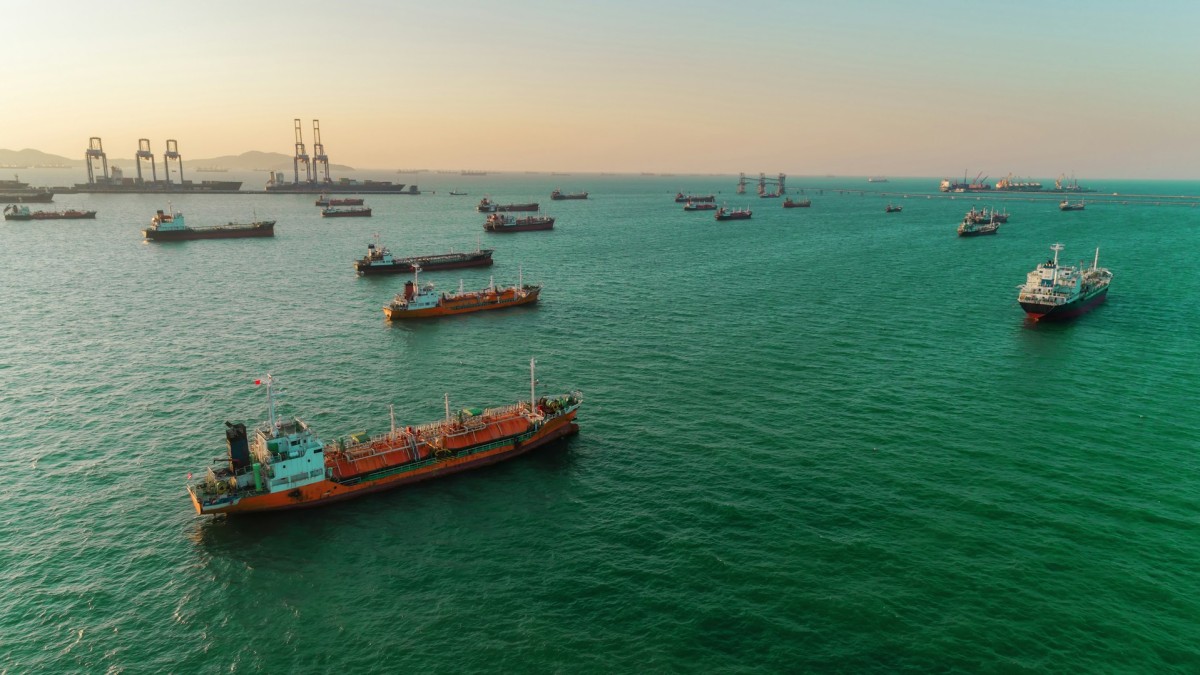 Halliburton, Valero and 3 More Stocks Set Up for a Fragile Hormuz Truce | OilPrice.comBrent crude has crashed over 20% as Hormuz reopens. Here are 5 oil and gas stocks positioned to gain from a fragile, still-unfolding peace.oilprice.com
Halliburton, Valero and 3 More Stocks Set Up for a Fragile Hormuz Truce
By Michael Kern - Jun 29, 2026, 10:00 AM CDT
- Brent crude has fallen more than 20% in a month as the Strait of Hormuz reopens, even as drone strikes and tit-for-tat attacks keep flaring near the waterway.
- ExxonMobil and Halliburton both took direct financial hits from the war, but their core operations are positioned to recover once Gulf drilling and LNG output normalize.
- Frontline's record profits came from the Strait's closure, not its reopening, making it the riskiest “peace trade” on this list as tanker rates start to soften.
Brent crude has fallen more than 20% in the past month, sliding from triple digits during the worst of the Iran war to around $72 a barrel today. WTI sits near $70. That kind of move usually means one thing: the crisis is over. It isn't, not quite.
The Strait of Hormuz, the chokepoint that carries roughly a fifth of the world's seaborne oil, spent nearly four months effectively shut after the U.S. and Israel struck Iran on Feb. 28. Iran mined the strait, fired on tankers and closed the lane to anyone it considered hostile. The U.S. and Iran signed an interim memorandum of understanding on June 17 meant to reopen Hormuz to toll-free traffic and wind the war down over a 60-day window.
It hasn't gone smoothly. Iran briefly reclosed the strait in April over what it called ceasefire violations. As recently as June 25 through 28, Iran and the U.S. traded a fresh round of strikes: drones hit a container ship, the U.S. retaliated, and Tehran hit a vessel carrying Qatari oil before both sides agreed to pause ahead of new talks in Doha. Shipping is still moving under a daily quota system run by Iran's Revolutionary Guard navy, hundreds of vessels remain stranded in the Gulf, and war-risk insurance premiums are still many times above pre-war levels.
Call it half-open. Saudi Arabia has started loading tankers again at Ras Tanura, and the UAE, Kuwait and Qatar are all pushing more crude onto the water, with Gulf flows reportedly climbing back to roughly 75% of prewar levels. That's enough to crater oil prices and scramble the math for nearly every energy stock with Middle East exposure, even as the underlying conflict simmers.
That combination, falling prices, a still-fragile peace, and a region racing to restore lost output, creates an odd set of winners. Some obvious oil and gas names are nursing real wounds from the war while betting on a clean recovery. Others made their money from the chaos itself and now have to prove they can hold onto it once the chaos fades. Here are five stocks caught in that transition.
1. ExxonMobil (NYSE: XOM)
Two of ExxonMobil's Qatari LNG trains, tied to its stake in the North Field, took damage during the fighting in the first quarter, the kind of detail that doesn't show up on a stock chart so much as in the footnotes of an earnings call. CEO Darren Woods says that lost capacity, about 3% of last year's upstream production, could take up to five years to fully repair. It's a big part of why Exxon's net income fell to $4.2 billion in the first quarter, the lowest in five years, with $706 million in hedge losses tied directly to the war and another $3.9 billion in derivative timing effects layered on top.
None of that stopped Exxon from beating estimates on an adjusted basis: $1.16 a share against a Street consensus near $1.01, a beat of more than 15%. The reason is simple. Most of Exxon's growth engine never touched Hormuz to begin with. Permian output is tracking toward 1.8 million barrels of oil equivalent this year, and Guyana just posted a record above 900,000 gross barrels a day. Add a planned $20 billion in 2026 buybacks, a dividend bumped to $1.03 a share, and a Bank of America upgrade to buy on June 15, and you get a stock that's clawed back ground even with an open wound in Qatar.
Shares sit around $137, still well off the $176.41 high hit in March before the war's costs were fully priced in. There's also a political wrinkle that has nothing to do with Hormuz: Trump has accused Exxon of gouging consumers at the pump and ordered a Justice Department inquiry. Call this one a slow-recovery trade rather than a peace trade. The company is healing on a timeline measured in years, not on a calendar tied to whatever happens next in Doha.
2. Halliburton (NYSE: HAL)
Halliburton trades around $34. Citi's price target is $52. That gap is more or less the entire investment case.
The first quarter showed why both numbers exist. Middle East and Asia revenue fell 13% year over year to $1.3 billion as the war hit drilling activity across Saudi Arabia, Qatar, the UAE, Iraq and Kuwait, costing the company an estimated 2 to 3 cents a share. Yet adjusted EPS of 55 cents still beat the 50-cent consensus and operating income jumped 56% to $679 million, with CEO Jeff Miller calling North America's recovery still in its “early innings.”
What hasn't happened yet is the actual rebound in Gulf drilling activity. Saudi Arabia, Qatar and Iraq are still well below prewar levels, and Halliburton kept its crews and equipment in place through the war instead of pulling back, a decision one Melius Research analyst says positions the company to catch that demand once it returns. Shares have fallen 14% in the past month anyway. Either the market doesn't believe the rebound is coming soon, or the stock simply got ahead of itself on the way up and is now sorting that out.
3. Frontline plc (NYSE: FRO)
Frontline's stock hit a new 12-month high intraday on June 24 and closed down 5% the same day. Two days later, it fell another 6%. That kind of whiplash says a lot about what kind of stock this actually is.
The world's largest VLCC operator made an enormous amount of money from the Strait of Hormuz being closed, not from it reopening. Longer voyages, rerouted cargoes and general chaos in crude trading patterns pushed spot VLCC rates above $100,000 a day and drove Frontline's adjusted profit to $344.9 million in the first quarter, the company's best showing since 2004. Frontline pays out its adjusted earnings per share as a dividend almost dollar for dollar, so the payout jumped too, roughly 50%, to $1.55 a share.
Now the thing that made the stock is unwinding. BTIG raised its price target to $55 from $45 on June 24, arguing the reopening sets up the largest seaborne oil restocking cycle the tanker market has ever seen as Gulf states finally move crude they've been sitting on for months. Evercore, Danske Bank and Pareto don't see it that way; all three have downgraded the stock to Hold in recent months, betting the windfall rates simply revert once the disruption that created them is gone. Frontline's own CEO, Lars Barstad, has said tanker markets tend to thrive on instability, which is a fair description of the last four months, and an open question about the next four.
4. Valero Energy (NYSE: VLO)
Valero doesn't need this list. Shares hit an all-time high of $265.61 on June 3 and are still trading near $259, comfortably above where they sat before the war even started.
First-quarter EPS of $4.22 crushed the $3.16 consensus. Refining margin per barrel jumped to $16.06 from $9.56 a year earlier on unusually wide crude differentials and surging distillate cracks; ultra-low-sulfur diesel margins over Brent more than doubled, to $27.60 a barrel from $16.69. Some of that has nothing to do with Iran: a March explosion knocked out Valero's 380,000-barrel-a-day Port Arthur refinery, which has only partially restarted, and U.S. refining capacity is tight enough on its own that crack spreads aren't about to collapse just because a war ends. Some of it is Hormuz-specific: jet fuel exports cratered during the closure and are recovering now as the strait reopens, a tailwind that plays directly to Valero's export business.
Wall Street keeps raising targets through the noise, Mizuho to $289, Citi to $259, though Wolfe Research is the outlier with an Underperform call and a $203 target on the bet that these spreads can't hold. Either way works for Valero. It makes money if the peace holds, and it was making money before the peace process even started.
-
5. KBR, Inc. (NYSE: KBR)
KBR has nothing to do with tankers, drilling rigs or refining margins. It's a bet on what gets rebuilt after the shooting stops.
The Houston-based engineering and government-services contractor has quietly built a real footprint in Iraqi energy infrastructure over the past couple of years: integrated field management for Basra Oil's giant Majnoon field, detailed engineering on the AGUP2 gas project with TotalEnergies and QatarEnergy, an advisory contract with Iraq's Ministry of Planning, and, in recent weeks, a detailed-engineering win on a Qatari offshore project. The bull case leans on the $300 billion in regional reconstruction financing the U.S. committed to in the Islamabad memorandum, money aimed at the broader region rather than Iraq specifically, but exactly the kind of pipeline KBR's existing relationships put it in position for.
None of that shows up in the numbers yet. First-quarter revenue slipped 5% to $1.9 billion on a planned runoff of European military work, though adjusted EPS of 96 cents beat estimates, and management says it hasn't seen Middle East clients pull back capital spending despite the war.
The stock has been priced for trouble rather than opportunity, down roughly a third over the past year to around $32, against analyst targets mostly still sitting in the $40s to $50s after a string of recent price-target cuts. KBR is also mid-spin, planning to separate its Mission Technology Solutions arm by January 2027, which adds its own complexity to the story. This is the smallest, most speculative pick on the list: a name that wins only if reconstruction money actually shows up in contract awards, not just in a memorandum's fine print.
By Michael Kern for Oilprice.com
-